Blog 4: Types of Selection


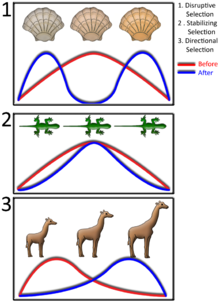
  • Directional Selection: This selection is when an uncommon phenotype is chosen over a more common one. It will change the allele frequency by shifting it to another direction, eventually becoming fixed.
  • Stabilizing Selection: This selection is when genetic diversity dwindles as population goes stable on a trait value. One of the most common form of natural selection, it mostly leads to negative selection. 
  • Disruptive Selection: This selection is when extreme values for a trait is chosen over more plain values. Due to varying traits, it'll eventually lead to two distinct groups of the same organism.

Blog 3: Microevolution


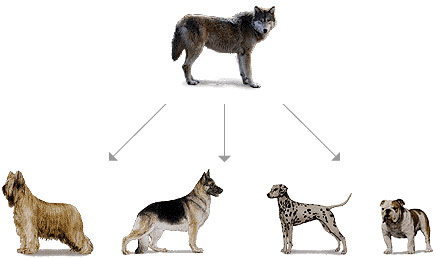
Microevolution is a change in the gene frequency, these different alleles are which would be able to lead to a new subspecies. Sometimes it occurs during natural selection where the organisms that have the most suited characteristics in their environment would tend to give offspring with its alleles inherited. Gene mutation, shuffling, and crossing over are among variations of this change.

Blog 2: Fossil Interpreting Difficulties


There are many difficulties before one could fully interpret the fossil. Due to ever-changing weather, no one could really tell where the fossil originates from which kind of environment. The remains could have been moved by forces of nature to another different zone, throwing off its origin. Sedimentation and weathering could both break the fossil.

Semester 2, Blog 1: Evolution - A Theory


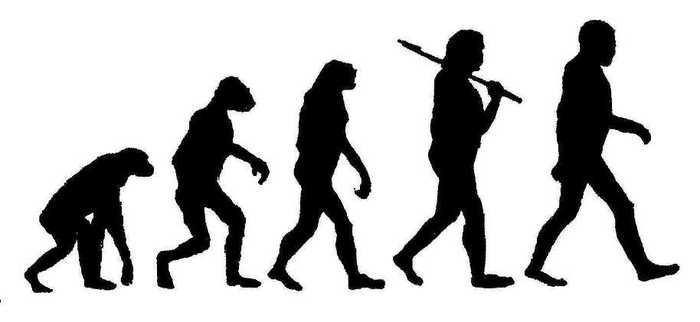
Scientific theory is something that can explain scientific observations, therefore, Evolution is an explanation. A law is very similar to a pattern, and evolution does not follow a set of patterns. Speculations, hypothesis, and opinions fall in the line of a theory. We could not prove that everything in evolution studies are completely right, therefore it is considered more of a theory than a law.