Blog 9: Community Interactions

Define the different forms of community interaction: competition, commensalism, mutualism, predation, parasitism Give an example and a picture for each


  • Competition
Competition is when organisms fight, or compete, with each other for food and habitat. Whoever has the most desirable traits and being able to obtain more than their competitors would have a high chance of surviving and thrive in the environment.

In very dense forests, plants must compete with each other for sunlight that is hardly found on the surface level. The ones that can grow higher would have the ability to obtain more sunlight and survive.
  • Mutualism
Mutualism is when two organisms live close and benefit from each other.

Ants and trees is among the many examples of mutualism. The ants could live in the tree and eat some of its leaves, while the tree is defended by the ants against other predators.
  • Predation
Predation is when one organism preys on another organism.

One example is when lions hunt and kill zebras for food.
  • Parasitism
Parasitism is when one organism benefits through another organism.

Ticks and mosquitoes are common examples of parasitism. They feed off of bodies of other organisms, like humans, for their blood.

Blog 8: Something Learned

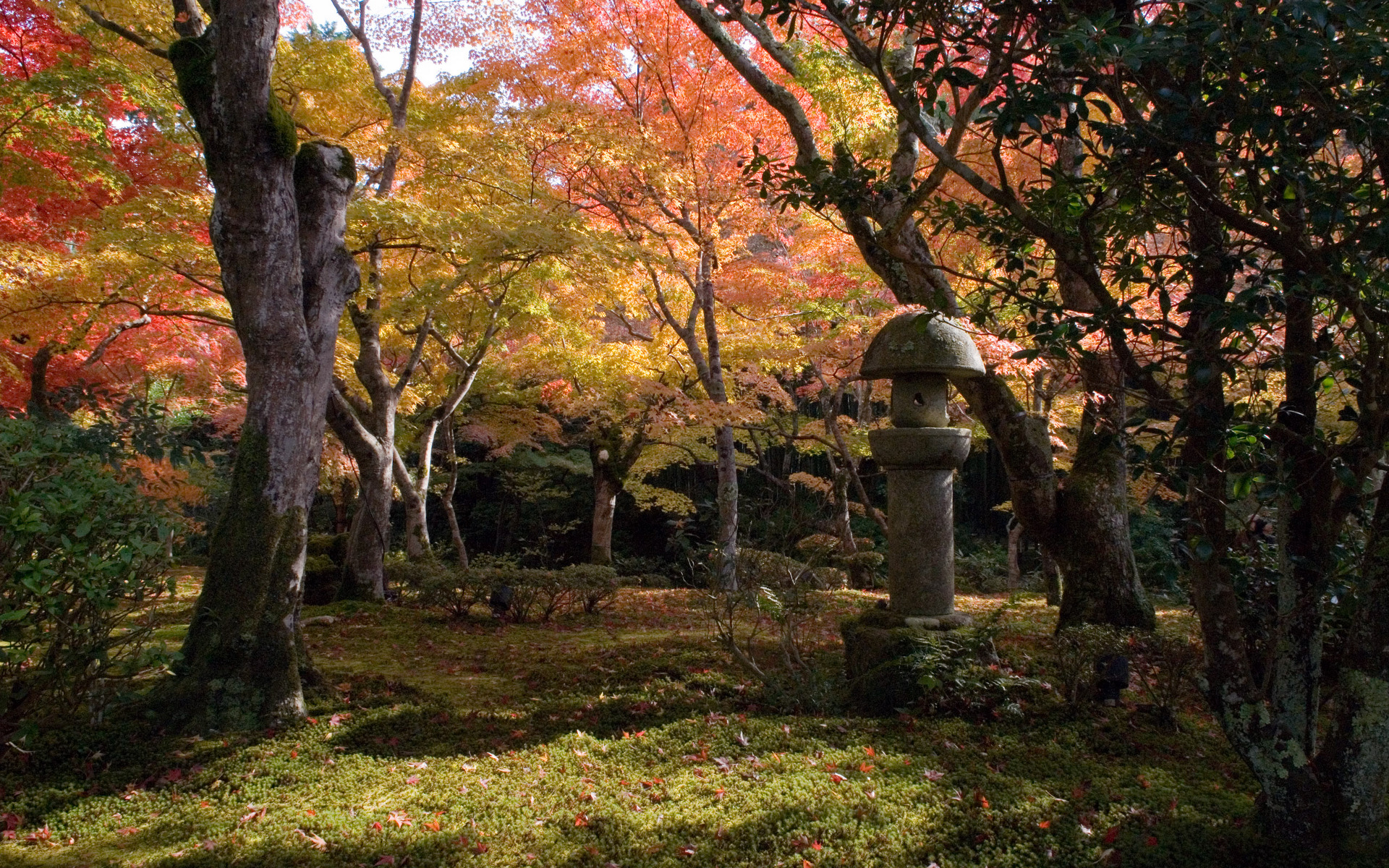
One of the many things I have learned was a certain biome in our world, commonly known as temperate forests:


This biome consists mostly of leaf-shedding trees. An abundance of these plants also provide food, oxygen, and timber, which are necessary resources. It's the second-most rain-filled biome on this planet; temperatures are around 50 degrees on average. The trees have a unique ability to have its leaves change colors during each season; they fall off eventually during autumn, in which new leaves will sprout during the next blooming season. Habitants adapt along with the seasons and the trees; a lot of animals hibernate   or migrate to warmer climates as tree leaves fall off and food supplies dwindle in the colder months.

Blog 7: Biomes Compare/Contrast


There are many biomes that have their unique features that make up the environments every organism live in. Two of them includes Grasslands and Temperate Forests.

Grasslands:

Characteristics:
  • Highly nutritional soil, wide range of plants can be easily grown in this environment.
  • Due to rich soil, grasslands are considered ideal spots to convert into farmland.
  • Above 100 degrees Fahrenheit during summer, great contrast compared to winter season.
  • A large portion, if not the majority, of the plants are grasses. Plants like trees, bushes, and wildflowers are also existent, but their ability to recover from fires is poor, unlike the deeply-rooted grass species.
  • Due to the lack of large plants, there is the lack of shelter for small animals against their predators, along with lack of large diversity of species.
  • Majority of the animals present are herbivores, namely mammals with hooves.
Temperate Forests:

Characteristics:
  • Majority of the plants present are leaf-shedding trees, which do so during the autumn season.
  • Due to the large majority of these trees, people find that food, oxygen, and timber are crucial resources this environment provides. 
  • It is currently the second-most rainiest biome found, with temperatures reaching around 50 degrees Fahrenheit on average.
  • Among the species of plants, the trees have different-colored leaves in each season, in which would fall off annually to make way for new leaves the next year's blooming season.
  • Animals residing in this environment adapt along with the trees and the ever-changing weather. Most of them hibernate or migrate to warmer climates when the trees begin losing their leaves and the weather turning cold. 

Blog 6: Most Important Food Pyramid Section


I personally think that the Vegetables section is one of the most important part of the standard food pyramid. The beneficial factors of this group is near-boundless. They are a crucial part of a healthy lifestyle, containing various nutrients that support our ever-active bodies, boosting the strength of our systems. Like fruits, they are hardly served in a greasy, unhealthy fashion and are mostly good for you; this is almost contrary to items in the oils category, which do little to no good in terms of energy-packing and supporting our bodies.